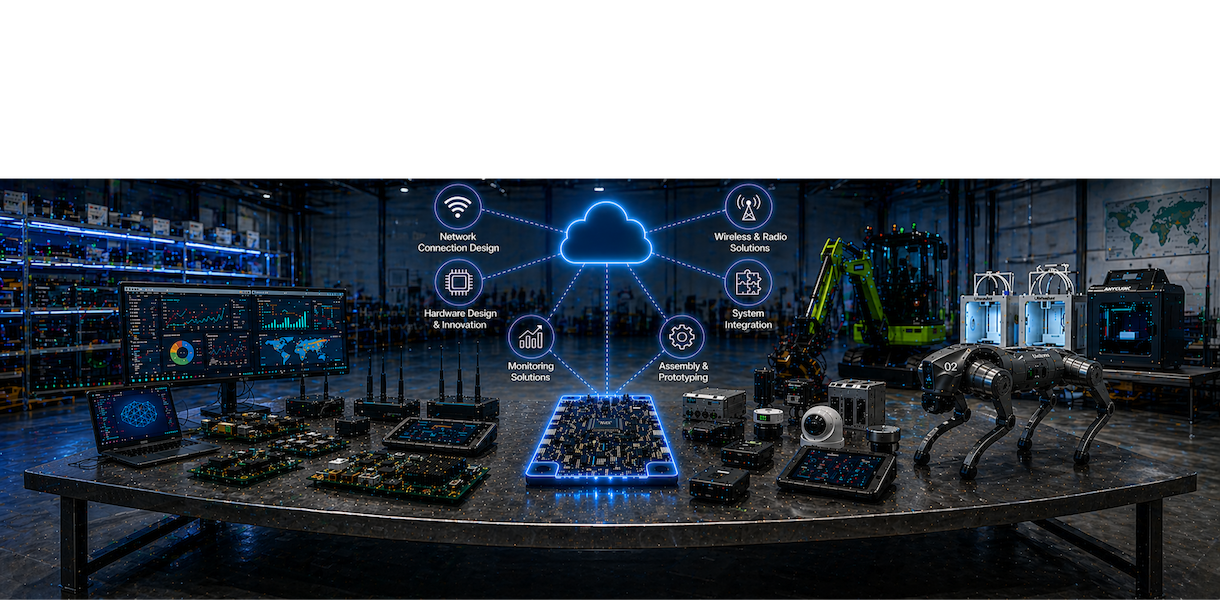
The PAWS Lab consists of three interconnected physical laboratory spaces, namely Robotics Laboratory, IoT Laboratory, and , NextGen Laboratory, which support the full workflow of cooperative physical AI systems development, from customized device circuit design and fabrication to robotic implementation and environmental testing. PAWS Lab advances the integration of artificial intelligence with the physical world through intelligent wireless communication, embedded systems, and hardware innovation. We develop AI-based systems capable of independent decision-making and autonomous operation in real-world environments, enabling seamless interaction between digital intelligence and the surrounding physical world.
PAWS Lab serves as a critical bridge between AI and real-world environments by building the wireless communication network, sensing, and computing infrastructure that enables intelligent systems to perceive, connect, and act efficiently. Our research enhances the flow of information between AI systems and physical environments, supporting smoother communication, faster decision-making, and more reliable autonomous operation. With strong expertise in system integration and hardware design, we develop customized functional devices tailored to specific application needs. From fundamental research to real-world applications, PAWS drives the development of smarter, more resilient, more sustainable, and adaptive technologies for the future.
Together, the labs enable rapid prototyping, embedded system development, intelligent robotic implementation, and custom device manufacturing.
Robotics Laboratory is dedicated to the development, control, and validation of autonomous robotic systems, serving as the primary environment for software development, system debugging, and experimental testing. The lab supports the programming of intelligent machines, real-time control systems, and sensor integration while enabling researchers to collect and analyze operational data from robotic platforms. Equipped with autonomous robots such as quadruped robots, excavator, exploration rovers, and robotic arms, Robo Lab provides a flexible space for developing, testing, and refining robotic technologies for both research applications and real-world deployment. This lab supports experimentation in autonomy, navigation, machine perception, and robotic decision-making.
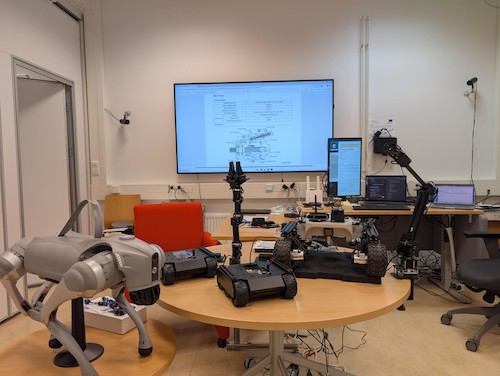
Robotic Platforms support simulation and digital twins, collaborative robotics, autonomous system design, and sensor fusion. They provide flexible testbeds for developing and validating algorithms before deployment on larger real-world machines.
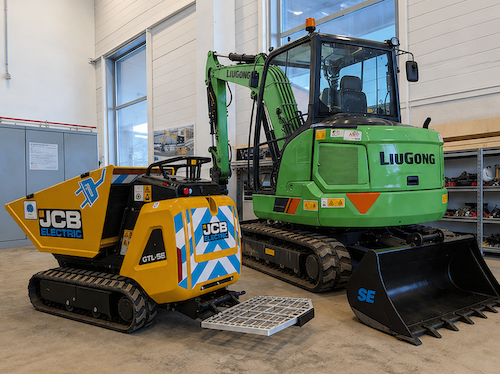
Excavator and Dump Machine support the AUWO project in automating heavy machinery operations and advancing education in autonomous robotics. They enable research on control strategies, motion planning, and autonomous excavation in complex outdoor environments.
IoT Laboratory is dedicated to the complete lifecycle of electronic circuit development, providing customized hardware solutions to support advanced RF communication systems. The lab supports the design, fabrication, assembly, and testing of custom printed circuit boards (PCBs) and electronic devices. Equipped with PCB printer, stencil printer, PCB cutting device and CNC router, advanced assembly stations, and comprehensive measurement instruments, the lab enables rapid prototyping and validation of communication hardware for both research and real-world applications.
In addition to hardware development, the lab also supports a wide range of RF-related network prototyping design, monitoring, testing, and simulation activities, including signal performance evaluation, communication reliability testing, and experimentation under different operational conditions. This makes it a core facility for developing and validating innovative wireless technologies within PAWS.
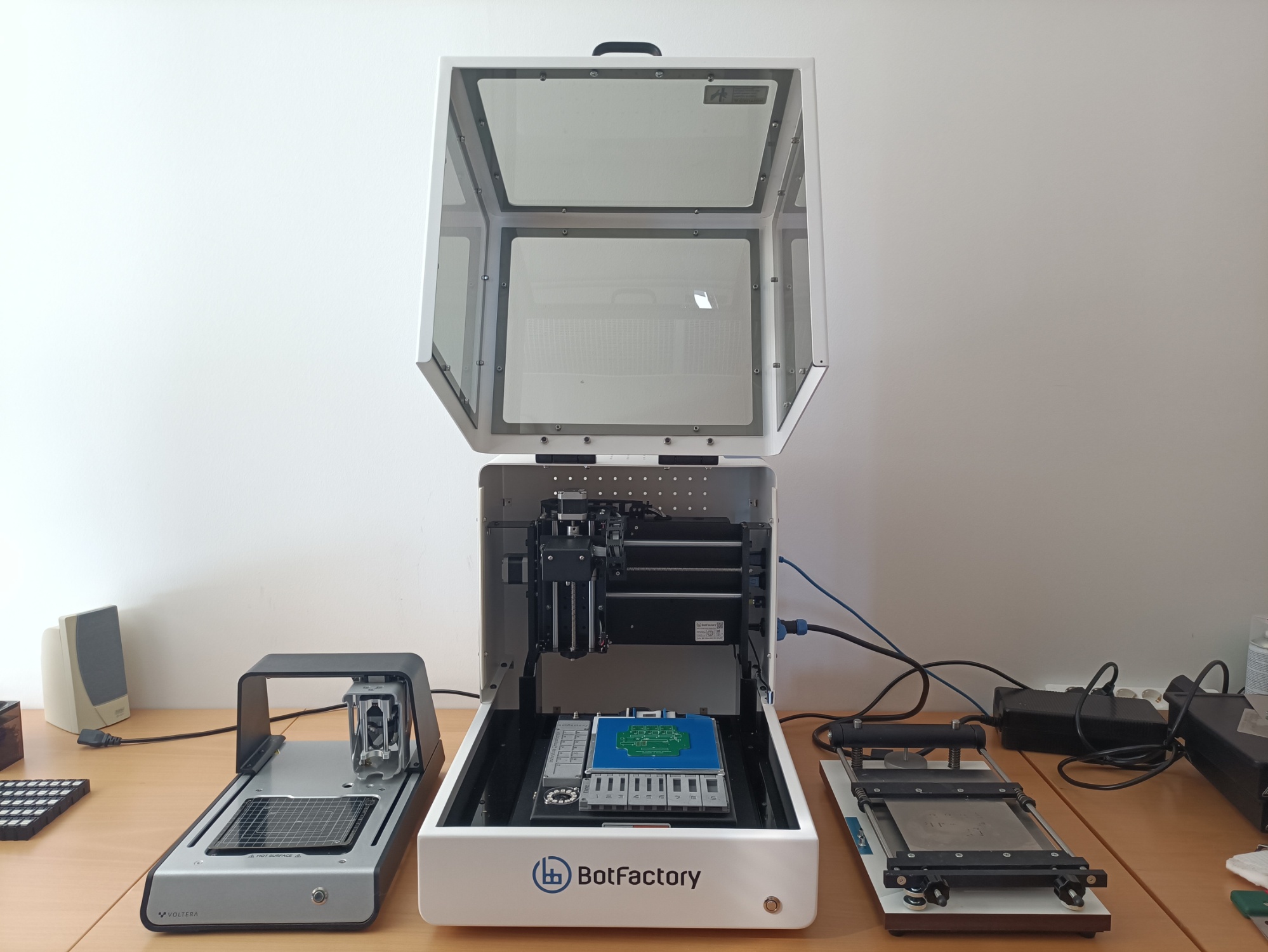
Customized Circuit Fabrication Line enables customized printed circuit board fabrication designed for embedded system integration and experimental hardware testing.
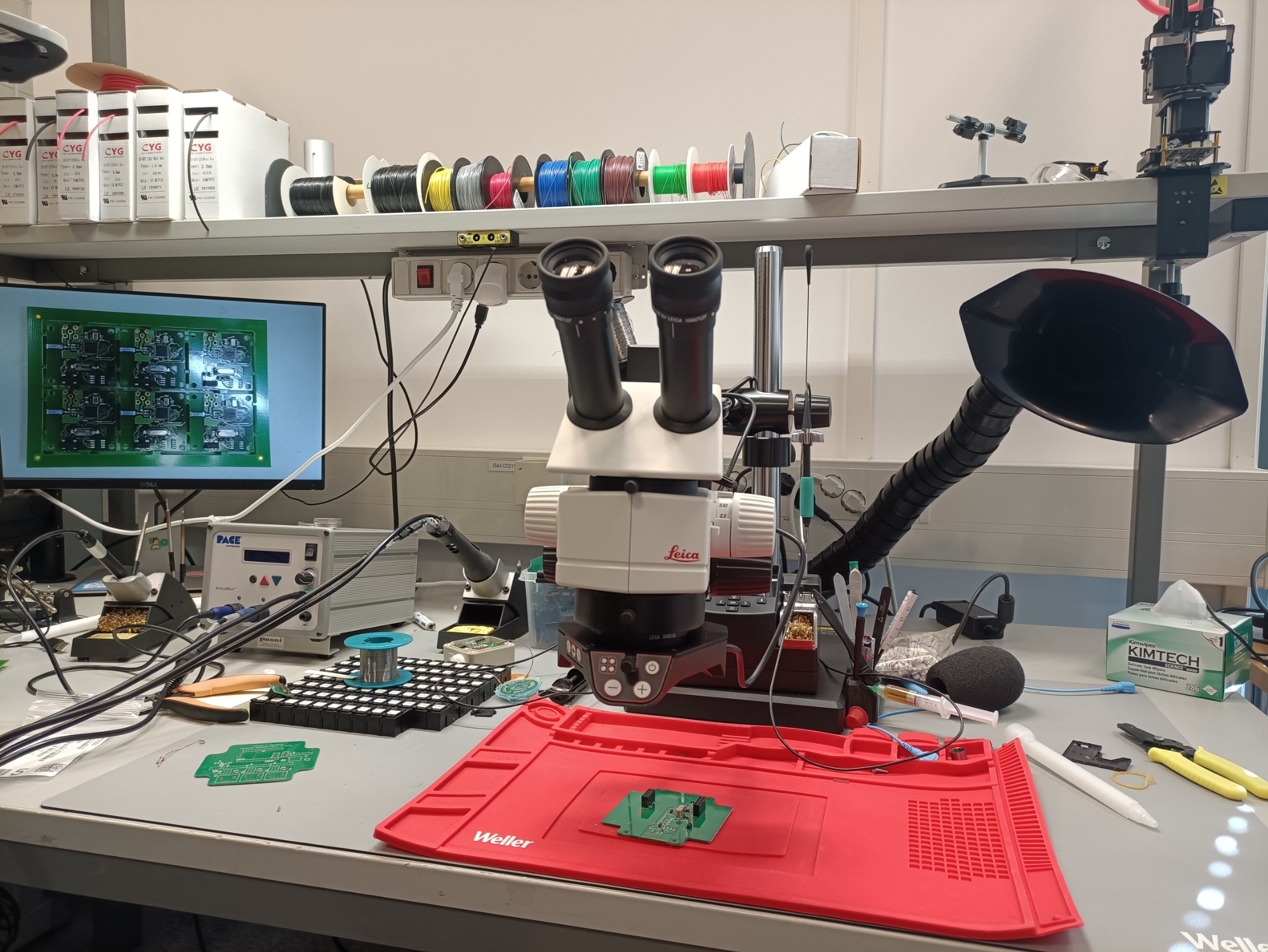
Advanced Curcuit Assembly Set is a professional-grade assembly workstation used for soldering, component placement, and circuit prototyping.
NextGen Laboratory is dedicated to the development of fully customized devices, extending beyond circuit design to include complete device fabrication, enclosure development, and system integration. The lab combines advanced manufacturing tools and testing infrastructure to support rapid prototyping, assembly, and validation of next-generation hardware systems. Equipped with 3D printing facilities, precision fabrication tools, and environmental testing equipment, the lab enables us to evaluate device performance under controlled conditions and ensure their reliability even in varying environmental conditions. It also plays a critical role in preparing and deploying devices for real-world field installations, particularly for TAKOMO and other environmental monitoring projects. This lab enables full-stack hardware prototyping—from mechanical design to environmental validation.
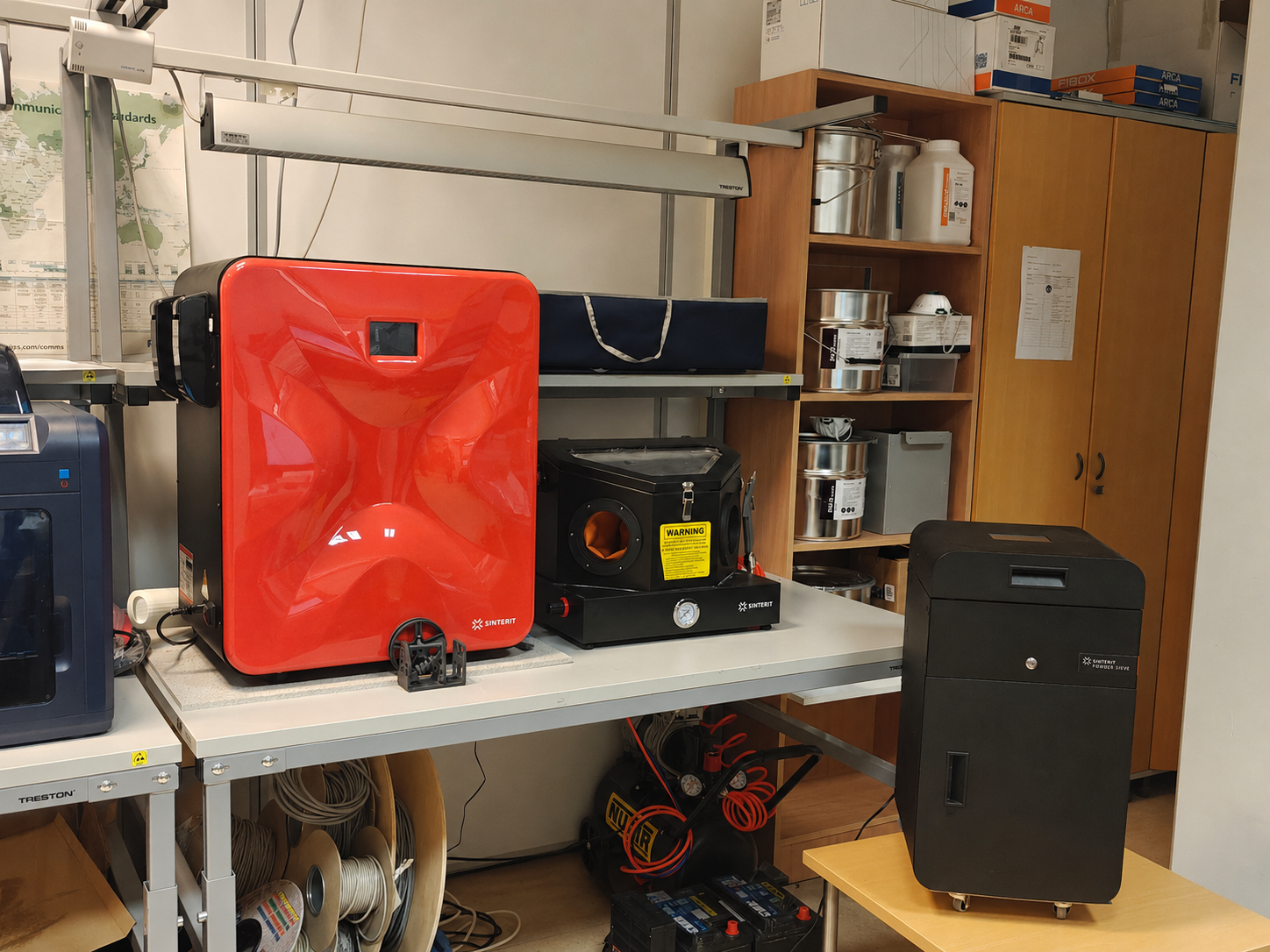
SLS 3D Printer Set provides an industrial-grade 3D printing process that uses a high-powered laser to fuse polymer powder into durable, functional, and complex geometries. This capability enables our lab to create customized and sophisticated device designs tailored to specific project requirements.
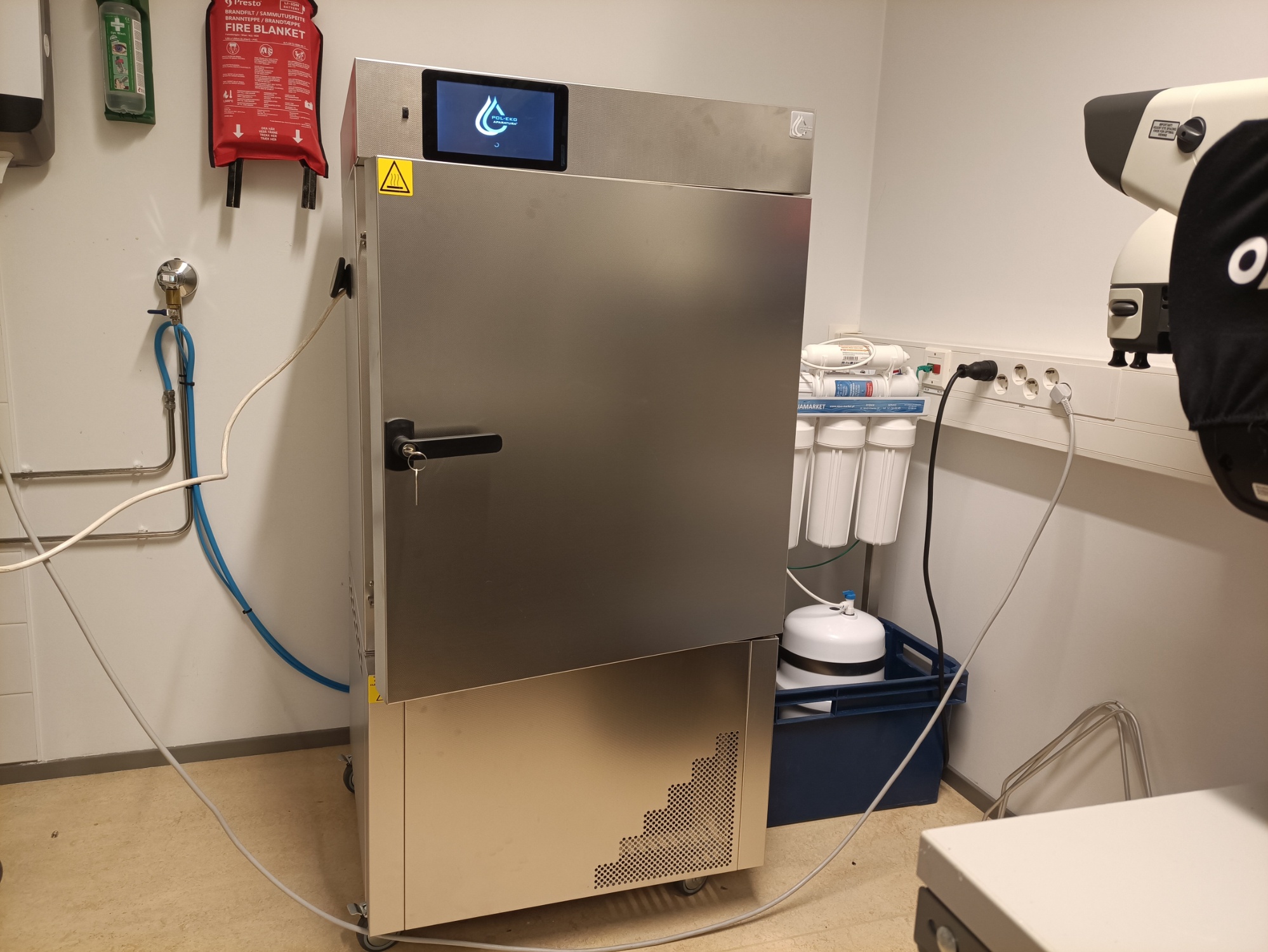
Climatic Chamber is used to evaluate the performance of low-power radio devices under varying temperature and humidity conditions. It simulates extreme environments to test signal reliability, device stability, and hardware durability for real-world deployments.
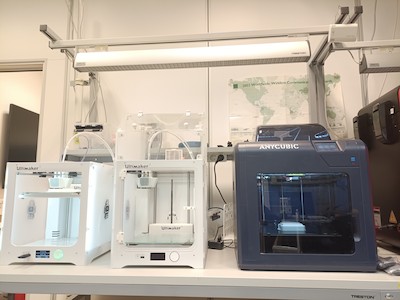
3D Printers enable the fabrication of customized device components tailored to specific project needs, offering greater flexibility than off-the-shelf products. It supports rapid prototyping of custom enclosures, sensor housings, and mechanical parts for research applications.