24.10.2025
IoT learning environment
IoT and quality requirements – Listening to users for better systems
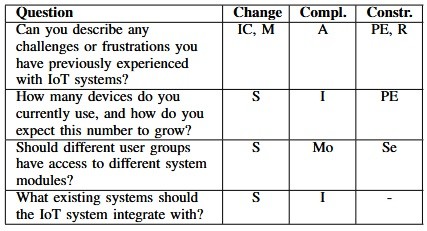
When designing IoT systems, the focus is often on what the system needs to do—for example, measure temperature. But just as important is how the system works: is it safe, easy to use, fast, and reliable? In software development, these are called non-functional requirements, or quality factors. When talking about IoT systems, the importance of certain quality characteristics is further emphasized. For example, a sensor network may consist of very different devices, each with its own life cycle, so special attention must be paid to the maintainability and expandability of the system.
The IoT learning environment project has piloted an interview method that can be used to collect information about the future quality requirements of the system. The interview uses open-ended questions to explore the views of future users on, for example, what user roles the system should support, how to respond to exceptional situations, how the system works with other systems, and how well it can withstand load. The extensive set of questions aims to ensure that the system's quality requirements are examined from the necessary perspectives.
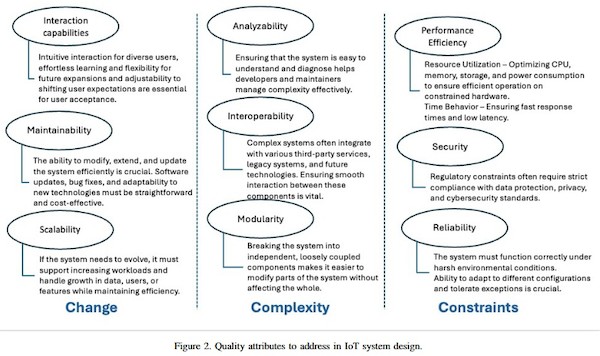
The pilot revealed that the interview sparked new ideas among participants, and the questions helped them gain a deeper understanding of the system's quality requirements. IoT systems are becoming increasingly common in working life. In vocational education, it is important that students learn to use and understand these systems. When systems are carefully designed and users are involved from the outset, the solutions are more practical and safer.
Based on these preliminary experiences, the project will continue to develop the method so that, for example, legal requirements and alarm limits are more clearly highlighted during the system specification phase. The pilot was carried out in connection with food industry training, and interviews will be conducted in other fields of education in the next stages. The goal is to create a clear process for collecting and documenting quality factors in different IoT projects. This will help ensure that the systems not only work, but work well.
Article "Harjumaa, L., & Määttälä, J. (2025). Designing for Quality in IoT : A User-Inclusive Approach to Non-Functional Requirements." published ICSEA 2025, The Twentieth International Conference on Software Engineering Advances, 2025, Lissabon. https://www.thinkmind.org/library/ICSEA/ICSEA_2025/icsea_2025_1_50_10046.html
Extra information
Jukka Määttälä, university teacherLasse Harjumaa, postdoctoral researcher